- ABOUT US
-
The Schengen Multifunctional Training Center (S.M.T.C.) offers programs and activities across two locations, Buzău and Ploiești. It operates under the authority of the General Directorate for Human Resources Management and under the didactic-methodological and curricular coordination of the Police Academy "Alexandru Ioan Cuza”.
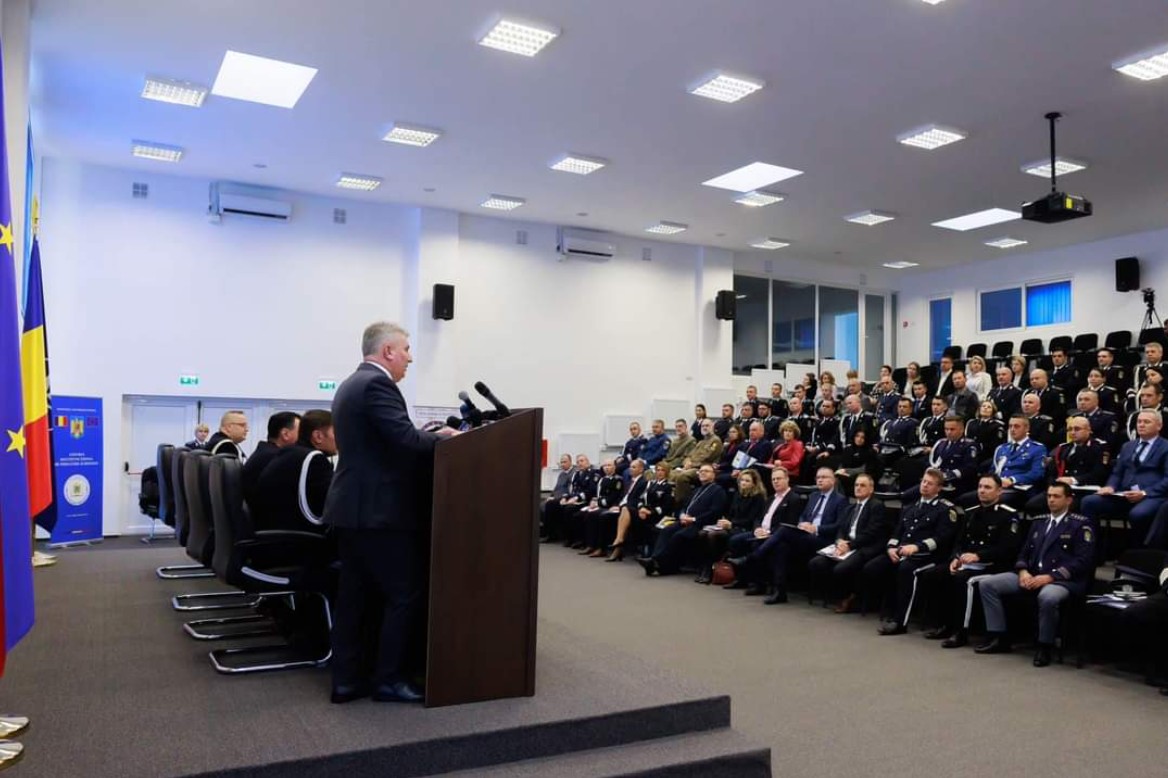
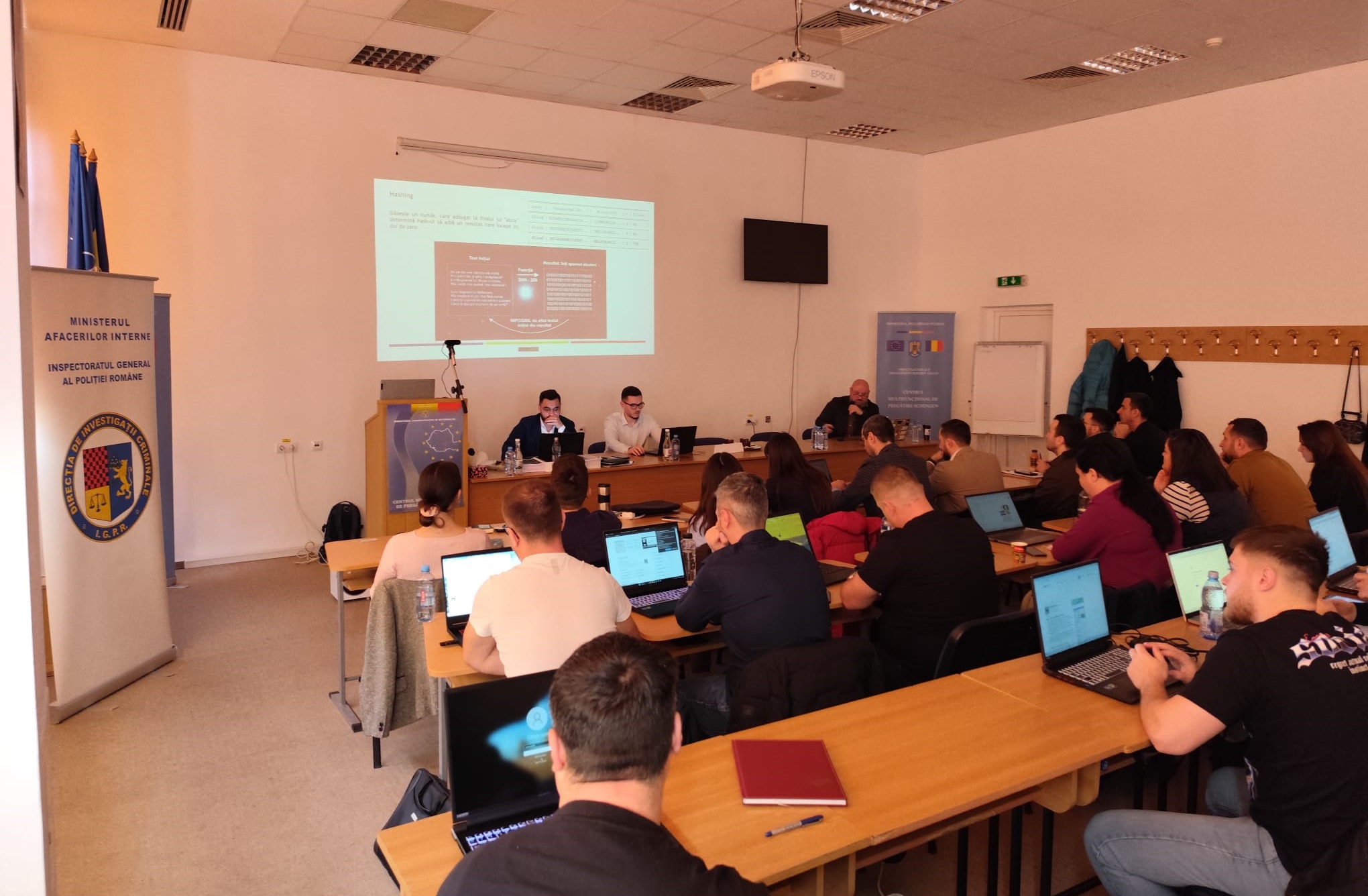
S.M.T.C. carries out initial and continuous professional training activities for personnel with responsibilities in the Schengen area, providing training for staff from various structures within the Ministry of Internal Affairs, as well as from other institutions involved in the accession process. It ensures knowledge of the procedures standardized within the Schengen Area by designing and delivering diverse training programs to a wide range of beneficiaries. Its role is to facilitate the achievement of the ministry’s strategic objectives through professional training, acting as the main provider of specialized training in the Schengen field within the Ministry of Internal Affairs. These goals have been achieved by developing an educational offer based on a competency-centered curriculum, tailored to the training needs of the beneficiary structures, as well as through the high-quality performance of the trainers, the use of advanced IT&C equipment, and modern teaching technologies.
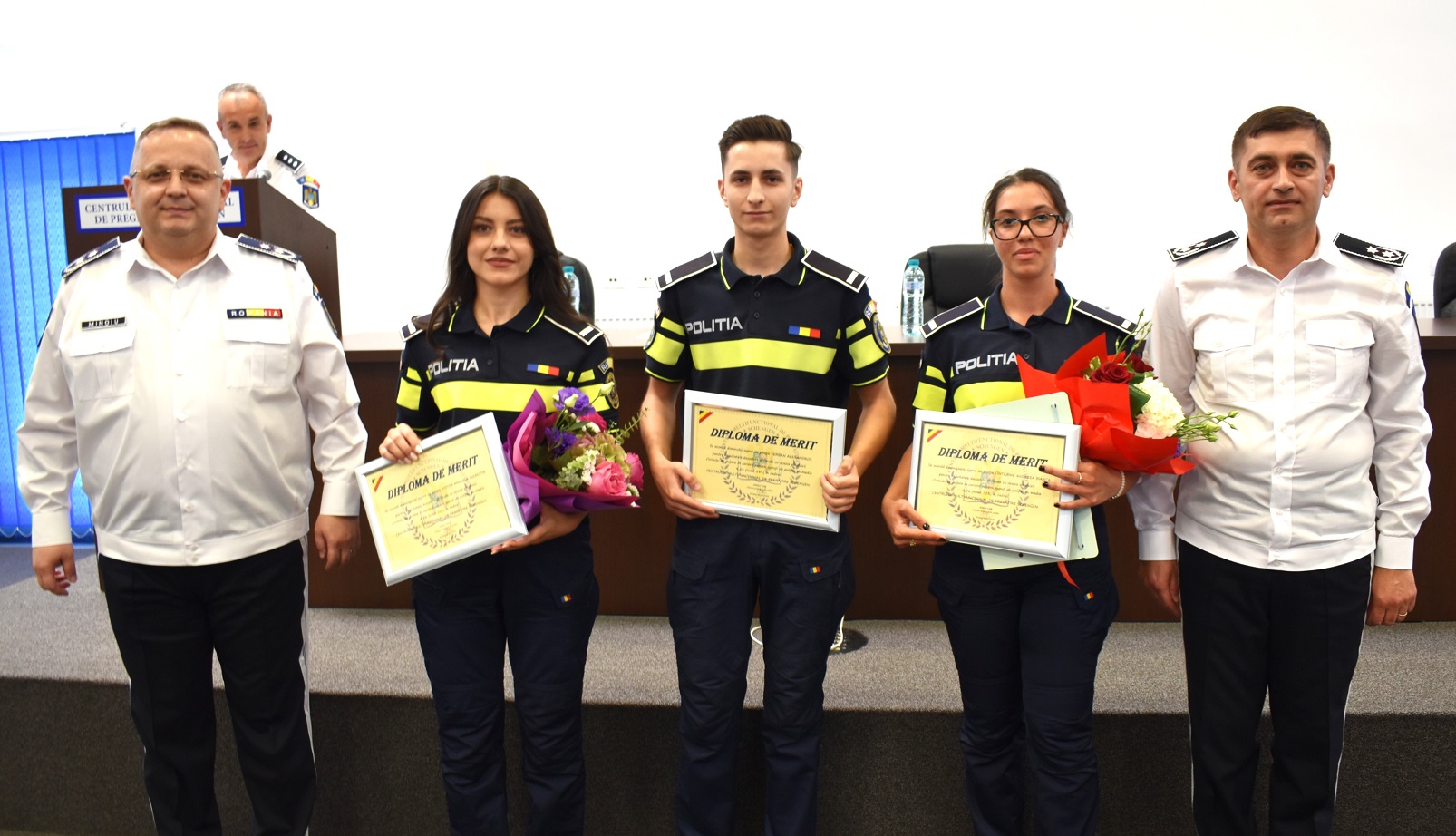
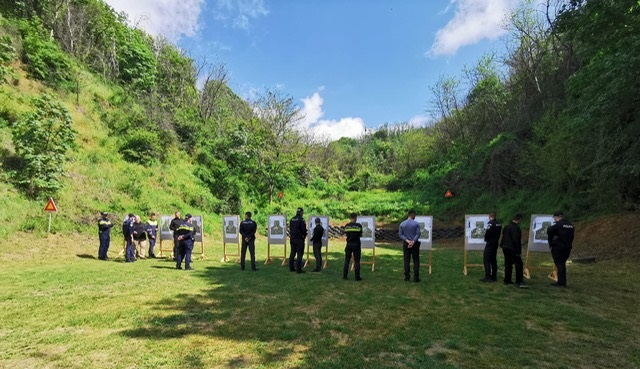
The Center’s institutional development concept is based on two essential elements that shape the dynamics of its activities: - meeting the needs of both direct and indirect beneficiaries of the Center’s training programs; - development of human resources. The courses conducted at the Schengen Multifunctional Training Center include career initiation and continuous professional training programs that develop the necessary competencies for performing service duties in the fields of law enforcement, professional communication and foreign languages, as well as in communications and information technology, in accordance with the applicable legal regulations. The institution’s vision is to promote an education system focused on fundamental and specialized knowledge, along with skills and competencies directly applicable to the positions held by its personnel.
In order to provide a modern and efficient training environment for personnel responsible for maintaining public order and safety within the European Union's area of freedom, security, and justice, the professional training system at the Schengen Multifunctional Training Center has been designed to respond to the specific needs of its beneficiaries. All major decisions have been made in consultation with representatives of the beneficiary structures, particularly those with direct responsibilities in the Schengen domain.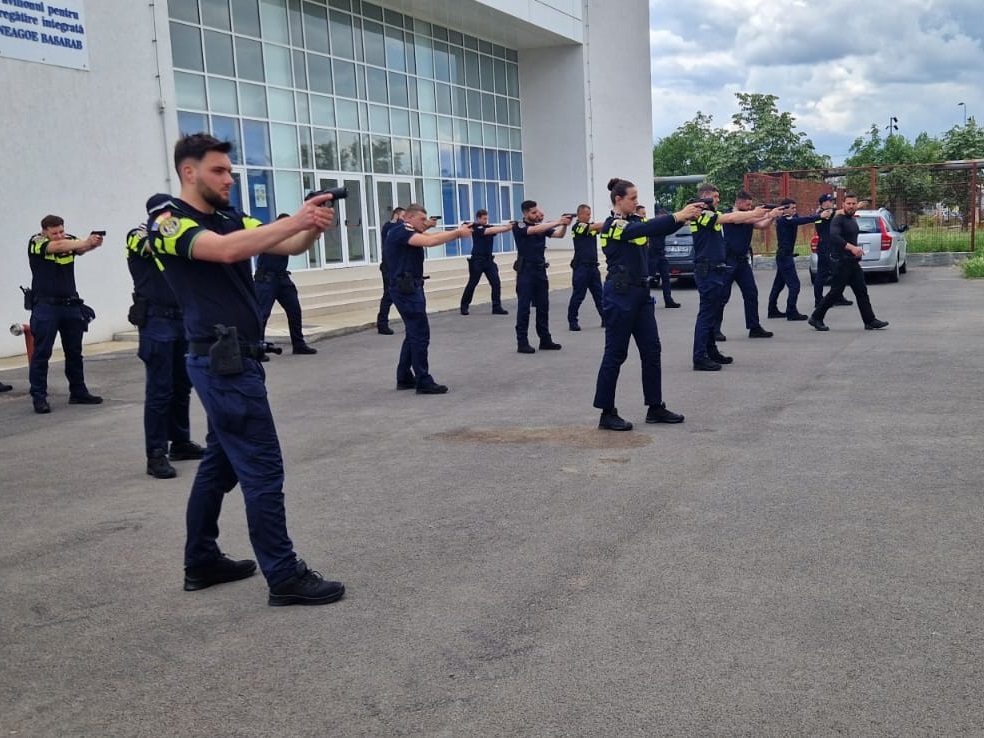
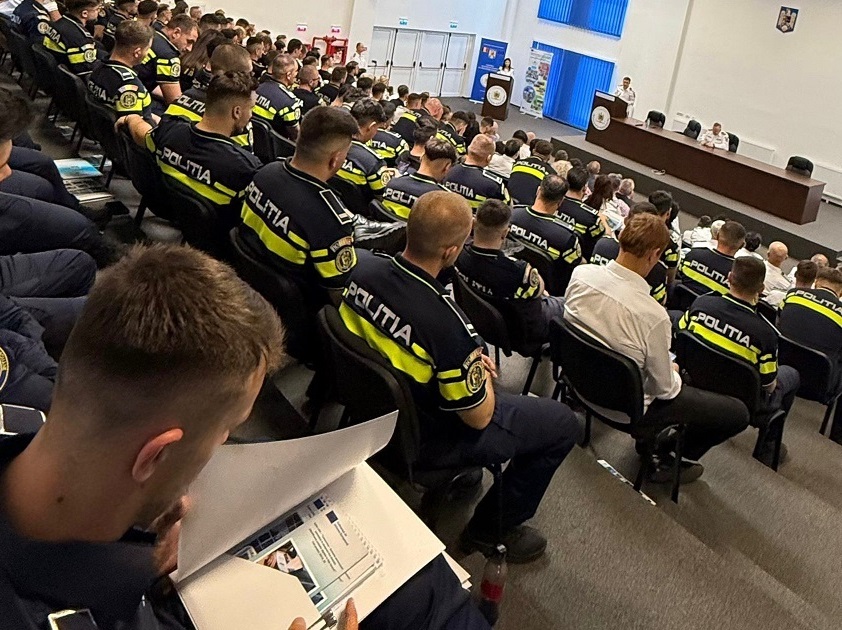
The updated and continuously evolving course offer, aligned with the current legislation and the needs of beneficiaries, as well as the number of participants, continues to reflect the growing interest in the training programs provided by the Schengen Multifunctional Training Center (S.M.T.C.) during this academic year. The high level of cooperation with beneficiary institutions, initiated through dialogue within working groups and maintained throughout the various stages of the Course Schedule and other convocations, has led to the training of a total of 50,000 participants between January 2011 and September 2025.
The professional training activities were carried out through the four Departments within the unit's structure.
a. Department of Schengen Acquis and Combating Cross-Border Crime
The teaching staff of the department delivered topics within training programs (training stages, professional development courses, career initiation courses, or convocations) as well as in an online format, via the CMPS e-learning platform. The specialization of the aforementioned stages led to the development of collaborations with specialists from DCCO, the SIRENE services, Interpol, Europol, Buzău County Museum, ONPCSB, DIICOT, and specialists in the prevention and combating of cigarette smuggling in collaboration with various private sector partners. At the department level, career initiation courses are also organized and delivered for beneficiaries outside the Ministry of Internal Affairs (M.A.I.), specifically for the National Police and Local Police.
b. Department of Foreign Languages and Professional Communication – Schengen Terminology
The trainer officers from the Department carried out teaching activities (course design, delivery, and assessment) in the field of professional communication, in accordance with the thematic schedules and the Course Schedule, within various training stages and specialization courses. Foreign language courses were converted from a fully in-person format to a hybrid format (50% in-person, 50% online). Accordingly, the training content was developed and adapted to suit the specific characteristics of the online learning tools used, such as the national videoconferencing system, the Moodle platform, and digital textbooks. The professional communication courses take into account the cultivation of proactive attitudes, by facilitating the exchange of professional experience and establishing the foundations for developing competencies in team-working, team-leading, and team-building. These are framed within the broader context of the diverse requirements set forth by Romania’s internal and external policy frameworks. Such competencies are fundamental to fostering and sustaining a relational climate oriented toward efficiency, both in terms of quality and professional satisfaction.
c. Department of Schengen Information Systems and Police Cooperation
The staff of the Department of Schengen Information Systems and Police Cooperation (S.I.S.C.P.) designed a series of continuous training programs based on an analysis of the responsibilities of the main categories of personnel within the authorities and institutions with tasks related to the Schengen Information System.
d. Department of Communications and Information Technology
The department's staff designed a series of continuous training programs, both in-person and online (distance learning), based on an in-depth analysis of the responsibilities of key personnel categories within and outside the Ministry of Internal Affairs (M.A.I.), specifically those with responsibilities in the field of IT. high level of cooperation with beneficiary institutions, initiated through dialogue within working groups and maintained throughout the various stages of the Course Schedule and other convocations, has led to the training of a total of 50,000 participants between January 2011 and September 2025.

- RESEARCH AND INNOVATION IN LAW ENFORCEMENT TRAINING
-






INTERNATIONAL COOPERATION
With the aim of strengthening its image as a reliable international partner, the Schengen Multifunctional Training Center collaborates with similar institutions and international organizations within the European Union and from other countries, in the areas of shared expertise, to obtain the necessary support for exchanging best practices.
In this regard, the Center actively responds to and participates in initiatives aimed at the harmonization and integration of the training system with international standards. Over time, the Center has engaged in collaborations with:
• CEPOL (European Union Agency for Law Enforcement Training)
• The FBI
• Border Police of the Republic of Moldova
• SELEC (Southeast European Law Enforcement Center)
• SIRENE Bureau
• INTERPOL
• EUROPOL
• The U.S. Cyber- Crime Center
• The Police University College in Tampere, Finland
• FRONTEX (European Border and Coast Guard Agency)
The Center aims to consolidate and expand international cooperation through partnerships and projects with institutions and organizations from the European community space and other countries in the region. EU-funded programs offer generous opportunities for participation in the field of professional training.
- ACTIVITY
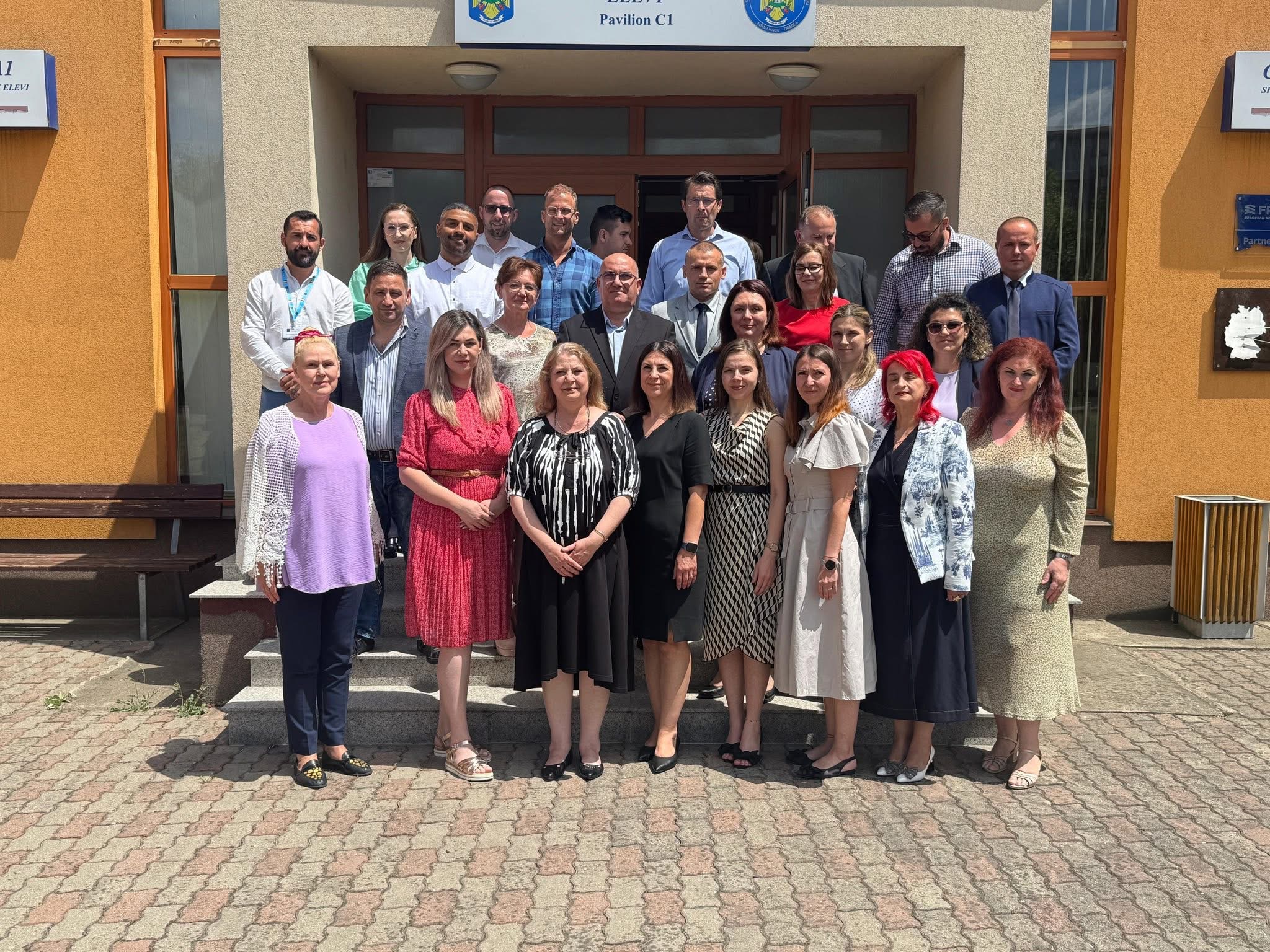
- Participation in the 17th Edition of the International Symposium of the Border Police Training School "Avram Iancu" Oradea
-
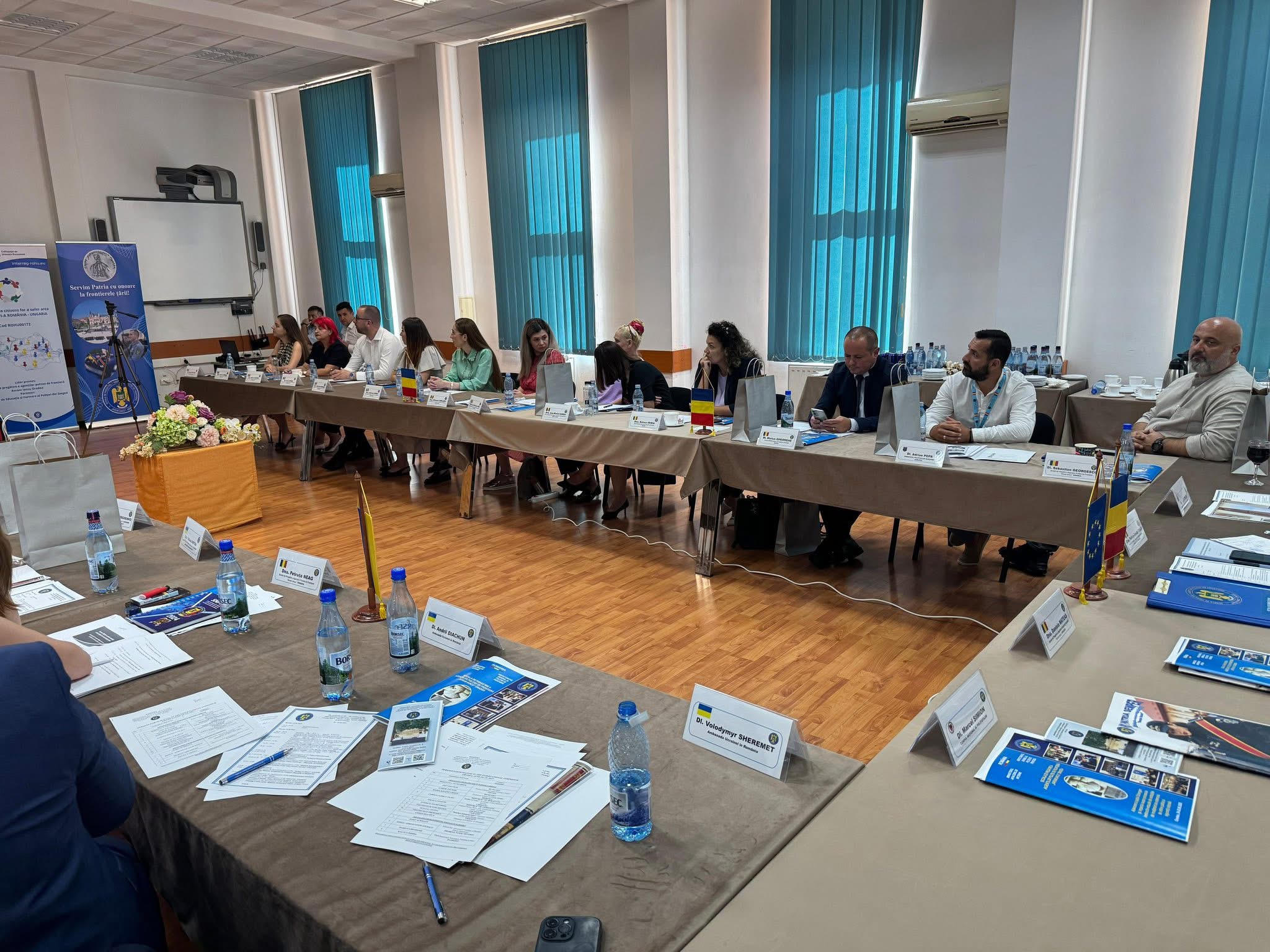
Our institution’s trainers had the honor of participating in the 17th edition of the International Symposium, organized by the Border Police Training School "Avram Iancu" in Oradea, held on June 24-25, 2025. The theme of the event was “Schengen Area Accession and Its Impact on the Educational Process in Public Order and National Security Institutions”.
During the symposium, our trainer presented the paper titled “Respect for Fundamental Rights in the Context of Database Interoperability at National and European Level”, which addressed the importance of respecting fundamental rights in the context of database interoperability at both national and European levels.
The event was attended by notable representatives from both domestic and international institutions, including:
• Ukrainian Embassy in Romania
• Technical School of Public Order in Miskolc and Szeged (Hungary)
• Federal Police Academy Eschwege (Germany)
• National Border Guard Academy of Ukraine
• “Ștefan cel Mare” Police Academy in Chișinău (Moldova)
Representatives from key national institutions also attended, as follows:
• Schengen Multifunctional Training Center, Buzău
• National School for Penitentiary Agents Training, Târgu-Ocna
• Border Police Staff Training School, Drobeta Turnu-Severin
• Initial and Ongoing Training Center of the Ministry of Internal Affairs, Orăștie
The event was also graced by prominent security figures, such as Marcel Simion (President of the National Police Corps), Zelca Vasile (President of the National Police and Contractual Personnel Union), and Adrian Popa (EUROPOL Representative).
The exchange of information, experiences, and best practices between participants had a significant impact on both the professional and institutional development of those present, strengthening the relationships of partnership and collaboration in the educational and public security sectors.
This participation serves as an example of our institution’s ongoing commitment to improving professional training, aiming to effectively address the current demands and challenges in the fields of public order and national security.
- International Conference on Public Order in Europe: Tradition vs. Contemporary Challenges – 2025 Edition Cluj
-
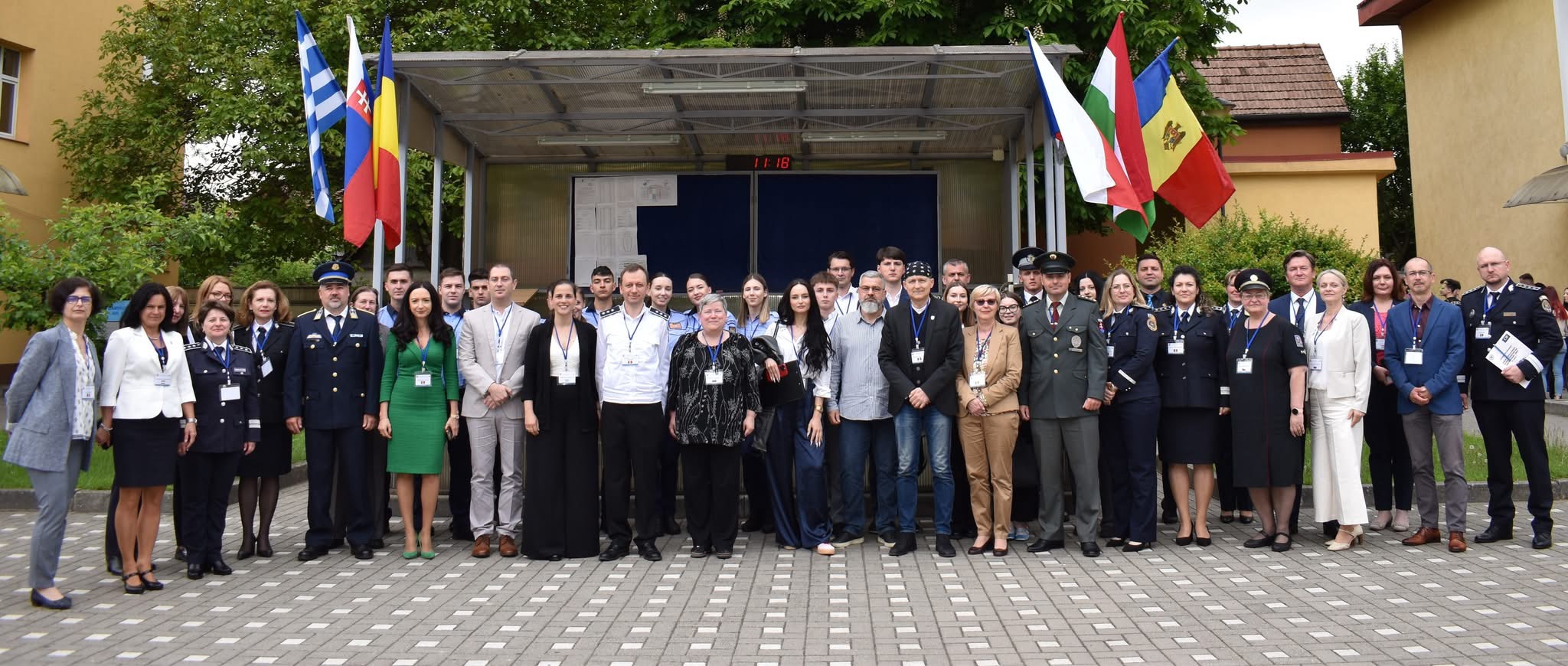
As part of our continuous commitment to accessing valuable training programs for the development of both the department's activities and the professional growth of our instructors, we are proud to highlight the participation of our personel to the 14th edition of the International Conference "Public Order in Europe: Tradition vs. Contemporary Challenges", held from May 15-17, 2025 at the Police Academy "Septimiu Mureșan" in Cluj-Napoca. During the event, the paper presented by the S.M.T.C. representatives was titled "Assessment of Money Laundering Risks in the Blockchain Ecosystem and the Impact of Deepfake Technologies on Cybersecurity."
Conference Highlights
This prestigious conference was organized in partnership with various esteemed academic and scientific institutions, including:
• Romanian Academy – Cluj-Napoca Branch – George Barițiu History Institute
• Babeș-Bolyai University, Faculty of History and Philosophy – Security Studies Specialization
• IPA Region 4 Cluj
• Blue Knights Romania
The event also featured presentations from respected institutions, such as:
• Vasile Lascăr Police Academy, Câmpina
• Avram Iancu Police Border Guard Academy, Oradea
• Initial and Ongoing Training Center of the Ministry of Internal Affairs, Orăștie
• Schengen Multifunctional Training Center, Buzău
International representatives from prestigious institutions also contributed to the conference, including:
• Police College of Holesov, Czech Republic
• Kosice and Pezinok Police Academies, Slovakia
• Miskolc Technical School of Public Order, Hungary
• Szeged Police Academy (ROKK), Hungary
• Hellenic Police Academy, Athens, Greece
• "Ștefan cel Mare" Police Academy, Chișinău, Moldova
• Student and Youth Engagement
A first-time feature of this year’s event was the inclusion of a symposium for students from Babeș-Bolyai University (Faculty of History and Philosophy, Security Studies specialization, Year 1) and students from the Septimiu Mureșan Police Academy in Cluj-Napoca.
This initiative aimed to bridge academic knowledge with practical applications, engaging future professionals in discussions surrounding the current trends in public order, digital security, and law enforcement.
Key Themes and Discussions
The conference showcased the diverse concerns of the participating educational and scientific institutions, focusing on a variety of themes such as:
• Digitalization of the Public Order System
• Modernization of Teaching and Learning Tools
• Ongoing Professional Development
• International Cooperation
Despite the varied topics, there was a strong common interest in the ongoing modernization of law enforcement and public safety, with a special emphasis on the integration of cutting-edge technologies and the evolution of training systems.
The event offered a unique opportunity to exchange insights on global security issues, emerging technologies, and their impact on modern policing practices, ensuring that participants acquire valuable knowledge that will enhance both their individual and institutional capabilities.
This participation reaffirms our commitment to continuous learning, development, and international collaboration, ensuring that we remain at the forefront of modern law enforcement education and training.
- Relevant Participation in International Events
-
In 2024, the expertise and dedication of our team were internationally recognized through our participation in several prestigious events in the fields of cybersecurity, the fight against cybercrime, and public order. Here are some of the key moments from our calendar:
1. C2C Summit - Romania
Date: April 10, 2024
Organized by Cellebrite DL Ltd., the C2C Summit was an important event for the exchange of information and best practices in the investigation of cybercrime. Our team attended to learn about the latest technologies and solutions used in combating cybercriminal activities.
2. Crypto Crime Summit
Date: April 29, 2024
Our participation in the event organized by Chain-analysis Inc. provided us with the opportunity to discuss the latest trends and challenges in investigating financial crimes related to crypto-currencies and block-chain. The chance to interact with industry experts helped us deepen our knowledge and implement innovative strategies in this complex field.
3. International Conference "Public Order in Europe: Tradition vs. Contemporary Challenges" Date: May 15-17, 2024
The 13th edition of this conference, organized by the Police School “Septimiu Mureșan” in Cluj-Napoca in collaboration with the Romanian Academy - Cluj-Napoca Branch, was an excellent occasion to address the current challenges in the field of public order. During the event, we presented the paper "Challenges in Police Investigations to Track Financial Transactions Through Virtual Currencies", highlighting the difficulties faced by authorities in tracing financial transactions involving cryptocurrencies and blockchain technology.
4. SIS Personnel Training – Eu-LISA Date: June 5-6, 2024
As part of the activity organized by the European Union Agency for the Operational Management of Large-Scale IT Systems in the Area of Freedom, Security, and Justice (Eu-LISA), our team participated in advanced training sessions for SIS personnel. This training was crucial for understanding the new procedures and technologies implemented at the European level to improve cooperation and efficiency in managing security-related information systems.
These events are just a few of the learning and continuous development opportunities we engage in to stay at the forefront of fields related to cybercrime and public order. We remain committed to contributing actively to the creation of a safer and more secure environment for all citizens, offering innovative solutions and efficiency in our work.

- CEPOL Course “Critical Infrastructure Protection and Cyber security” – 90/2021: Training Event in Buzău (October 11-15, 2021)
-
The Schengen Multifunctional Training Center organized, in partnership with CEPOL, the training activity 90/2021 – "Critical Infrastructure Protection and Cyber security", held in Buzău from October 11-15, 2021. This event aimed to enhance the capabilities of professionals working in the protection of critical infrastructures and combating cybercrime.
Key Highlights:
• Course Manager: CEPOL appointed Mr. Paulo Vaz as the course manager, supported by Mrs. Beatriz Belen Anton Lazaro, who was responsible for quality assurance.
• Training Program: The program effectively addressed 25 participants with professional experience in critical infrastructure protection and cybercrime. These professionals came from 14 EU member states.
Participants:
In addition to the 25 international participants, the training event also included representatives from national institutions, such as:
1. Romanian Intelligence Service (SRI)
2. National Center for Critical Infrastructure Protection Coordination
3. General Directorate for Internal Protection
4. Romanian Gendarmerie
5. Buzău-Ialomița Basin Water Administration
6. Private sector representatives
7. European Commission, which facilitated the presence of two experts from DG HOME and DG CNECT
8. Europol, which provided an online expert in CBRN (Chemical, Biological, Radiological, and Nuclear)
9. ENISA (European Union Agency for Cyber security)
This collaborative training event allowed for the exchange of valuable knowledge and best practices in the domains of critical infrastructure protection and cyber security. It also reinforced the cooperation between public institutions, the private sector, and EU bodies, ensuring stronger security measures for Europe’s critical infrastructure and the protection of its cyber environment. The training was an essential part of our continuous efforts to foster professional development and strengthen the EU’s capacity to address emerging security challenges.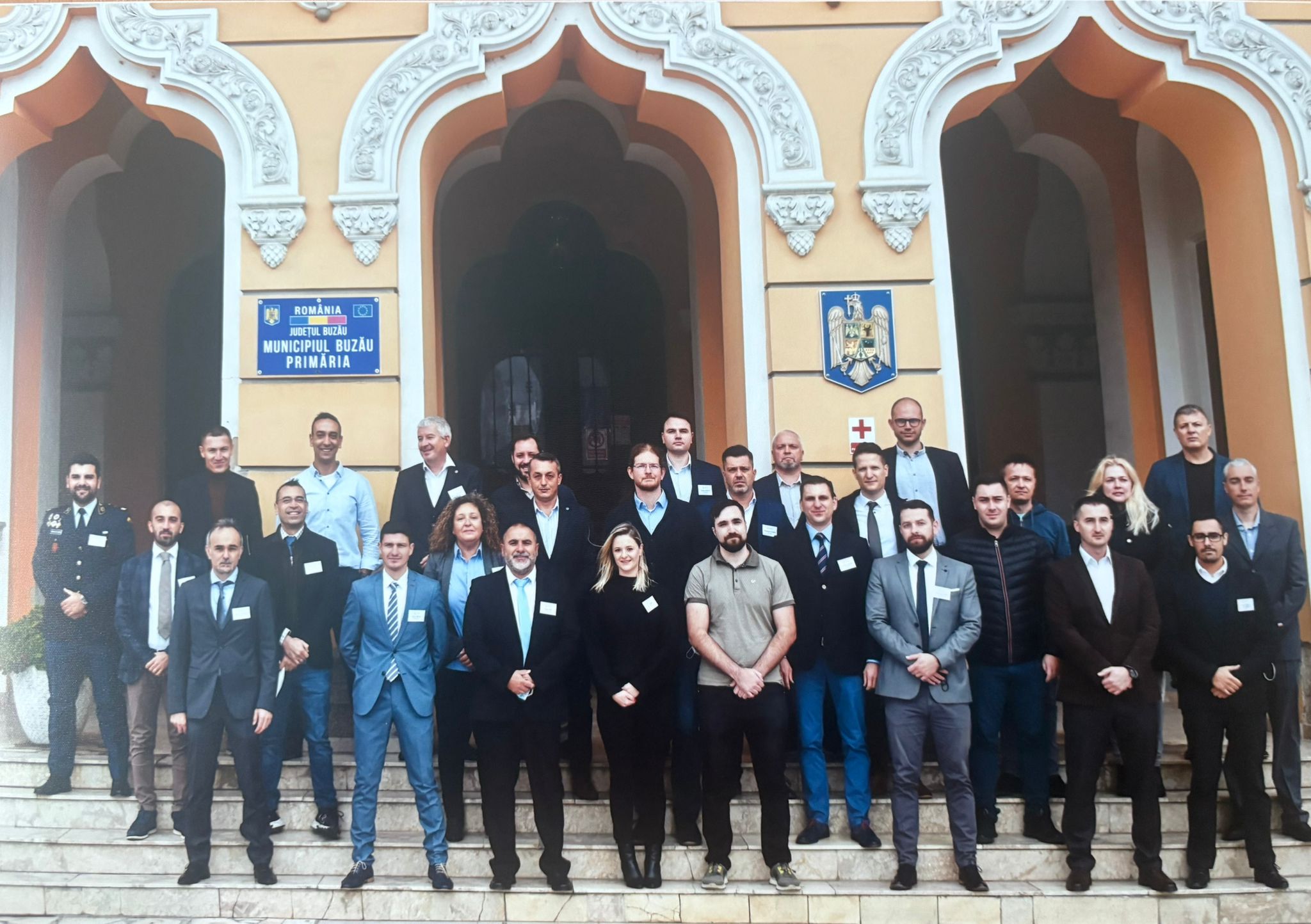
- EUROPEAN PROJECTS
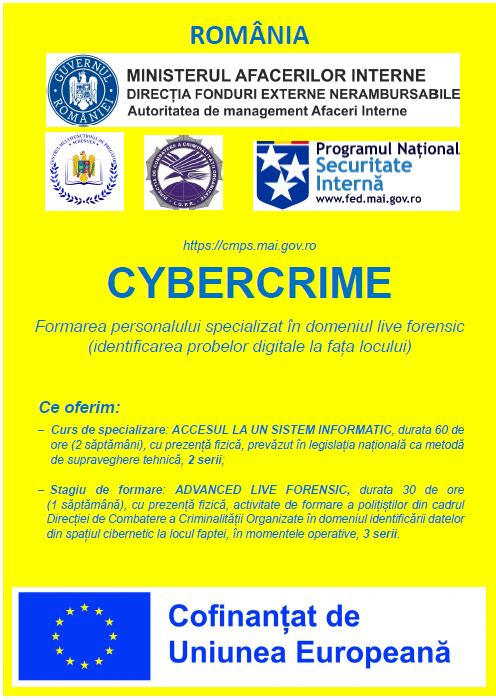
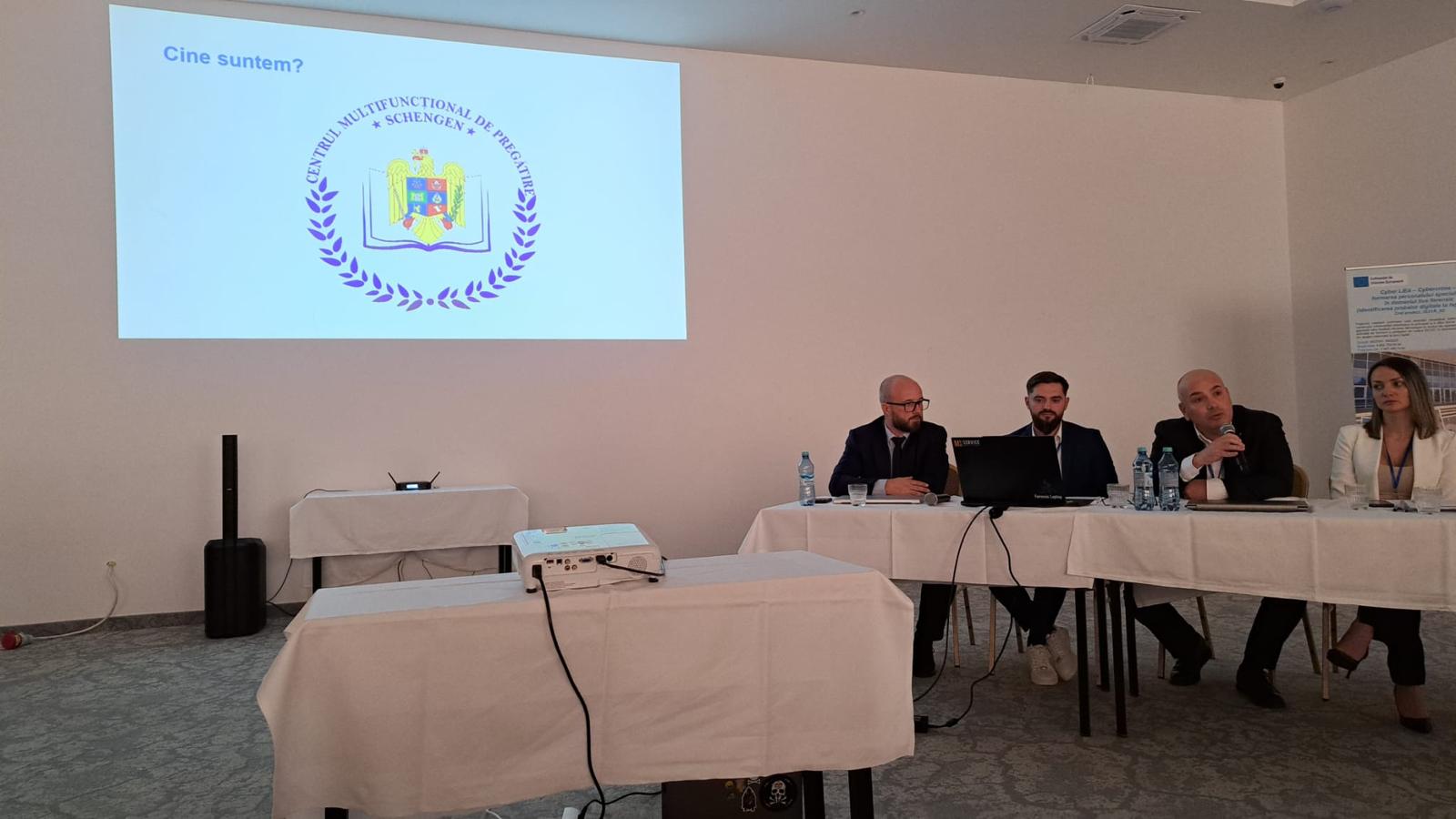
- Project “Investigation of Cybercrime and Analysis of Digital Evidence” & “Cyber LiEA – Cybercrime-Live Forensic Challenge”
-
During the period 2021–2022, the Schengen Multifunctional Training Center (C.M.P.S.), in partnership with the General Inspectorate of the Romanian Police, successfully implemented the project “Investigation of Cybercrime and Analysis of Digital Evidence” (Project code: ROFSIP2016OS5A01P01). This project significantly contributed to enhancing Romania's capacity to investigate cybercrimes and manage digital forensics challenges.
Project Overview:
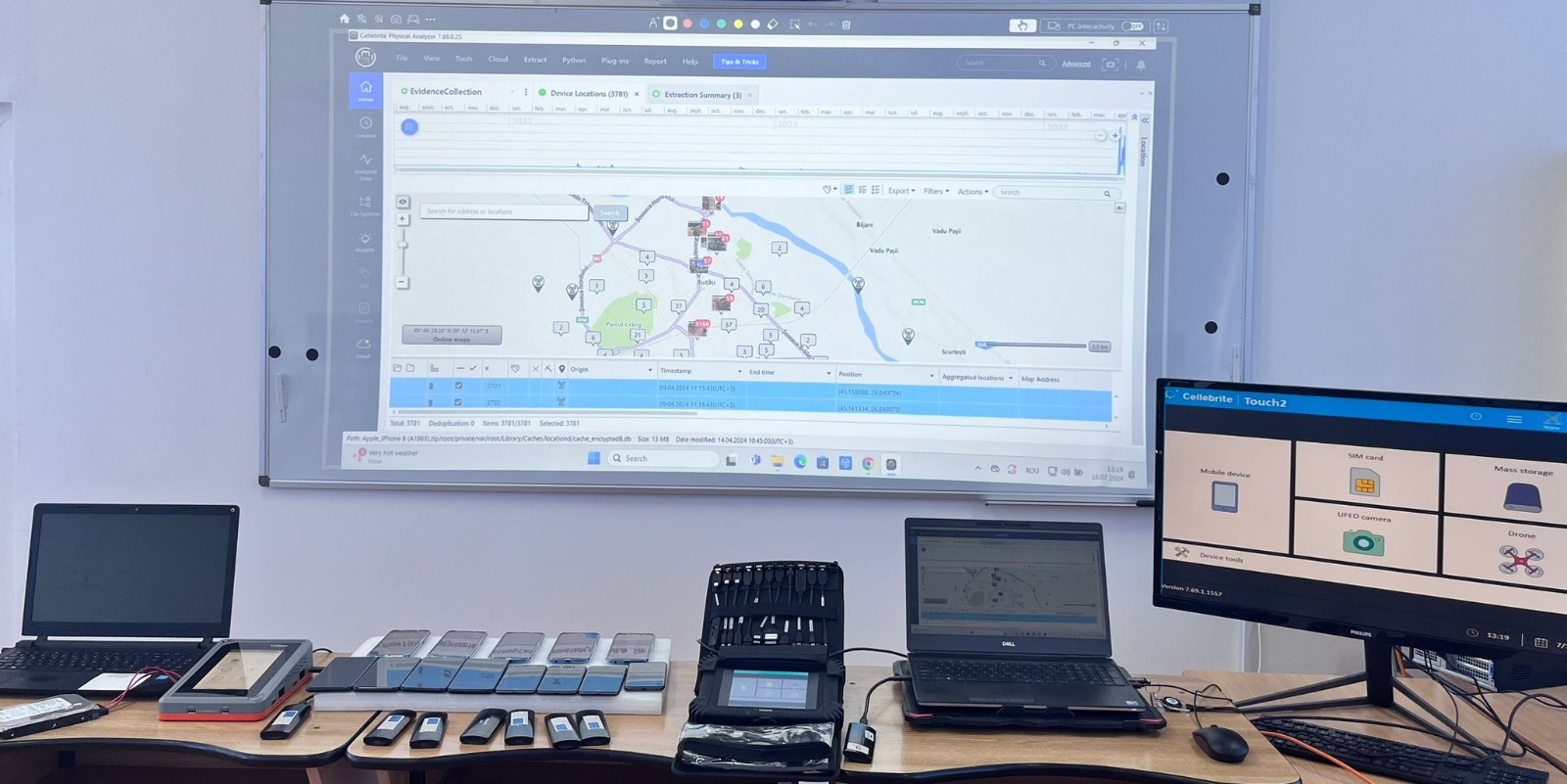
As part of this initiative, the Schengen Center developed a technical laboratory, equipped with specialized hardware and software solutions designed for the collection of digital evidence. This lab became a training hub for a specialization course focused on digital forensics investigations. The results and infrastructure developed during the project have been maintained and integrated into the institutional framework, ensuring the continued update and functionality of the equipment.
General Objective:
The primary goal of the project was to address the rising threat of cybercrime, with a focus on enhancing the technical investigative capabilities of law enforcement, especially in technical surveillance and the identification and collection of digital data from crime scenes (as per Article 142 of the Criminal Procedure Code).
Specific Objectives:
• Advanced Training for law enforcement officers involved in combating cybercrime and child pornography, particularly in live forensic techniques (45 specialists x 30 hours).
• Basic Training for officers from the Directorate for Combating Organized Crime (D.C.C.O.), covering live forensic techniques (30 officers x 60 hours), especially those not directly involved in cybercrime cases.
• Strengthening partnerships between law enforcement, the private sector, and academia through the organization of 2 technical workshops focused on live forensics (approximately 100 specialists per workshop), enabling the exchange of best practices and knowledge.
• Development of two training programs within C.M.P.S., in collaboration with D.C.C.O. specialists, to ensure participants gain the skills necessary for the identification and collection of digital evidence from various devices.
• Acquisition of Live Forensic (LF) Packages, which include equipment and software solutions. These packages were designed to simulate real-world investigative scenarios during training, with equipment to be used by D.C.C.O. and territorial structures for on-site investigations.
Key Achievements:
• Strengthened Romania’s capacity to investigate cybercrimes and enhanced the ability of law enforcement officers to manage modern digital forensic challenges.
• Provided hands-on training on identifying and collecting digital evidence, preparing police officers for swift integration of these skills in their daily tasks.
• Ensured long-term sustainability of the project results, including ongoing maintenance and updates to the technical infrastructure developed.
Upcoming Project – Cyber LiEA – Cybercrime-Live Forensic Challenge:
Building on the success of the previous project, a new project, Cyber LiEA, was launched under the National Programme 2021-2027 for Internal Security. The Cyber LiEA project focuses on training specialized personnel in the field of live forensics (on-site identification of digital evidence). This project will further enhance the technical surveillance capabilities of law enforcement in tackling cybercrime.
Project Goals for Cyber LiEA:
• Ensure law enforcement officers have the minimum technical knowledge necessary for identifying and collecting digital evidence on-site during investigations (in line with Article 142 of the Criminal Procedure Code).
• Support cybercrime investigations by developing modern tools and techniques for live forensic investigation.
• Continue to strengthen the partnership between the General Inspectorate of the Romanian Police and Schengen Multifunctional Training Center, and further enhance collaboration with private sector and academic institutions.
Conclusion:
Both projects demonstrate a continued commitment to advancing Romania's capabilities in cybercrime investigations and digital forensics. They also emphasize the importance of inter-institutional collaboration and the sharing of best practices, contributing to the development of modern investigative techniques and enhancing the protection of digital security in the country.
- Installation of New Renewable Energy Production Capacities at the Two Premises of the Schengen Multifunctional Training Center
-
The Schengen Multifunctional Training Center is implementing, as a beneficiary, the project titled:
“Installation of New Renewable Energy Production Capacities at the Two Premises of the Schengen Multifunctional Training Center, located at Dimitrie Filipescu Street No. 4, Buzău Municipality, Buzău County, respectively, at Bucharest Boulevard No. 30, Ploiești Municipality, Prahova County,” financed through the Modernization Fund, Key Program 1: Renewable Energy Sources and Energy Storage.
The total budget of the project is 1,510,189.70 RON (VAT included), with the maximum amount provided by the Modernization Fund, representing a 100% community contribution.
The project completion date is November 30, 2026.
The general objective of the project:
To increase the production of electricity from solar renewable sources by installing two new renewable energy generation capacities totaling 0.300 MW for both locations, aiming to cover fully or largely the electricity consumption needs of the existing facilities.
The specific objectives of the project are as follows:
• The construction of two three-phase photovoltaic power plants:
one at the Buzău headquarters, Dimitrie Filipescu Street No. 4, Buzău County, with an installed capacity of approximately 149.6 kW, and
the second at the headquarters in Ploiești, Bucharest Boulevard No. 30, Prahova County, with an installed capacity of approximately 150.7 kW.
These will partially cover the electricity consumption needs of the Schengen Multifunctional Training Center (S.M.T.C.).
• To obtain electricity from non-polluting sources, covering as much of the institution's energy needs as possible.
• To achieve substantial savings in the state budget, given the price of electricity, by producing the required energy through the institution’s own installations.

- European Partnership for Ethics and Integrity” Project – Erasmus+ 2021
-
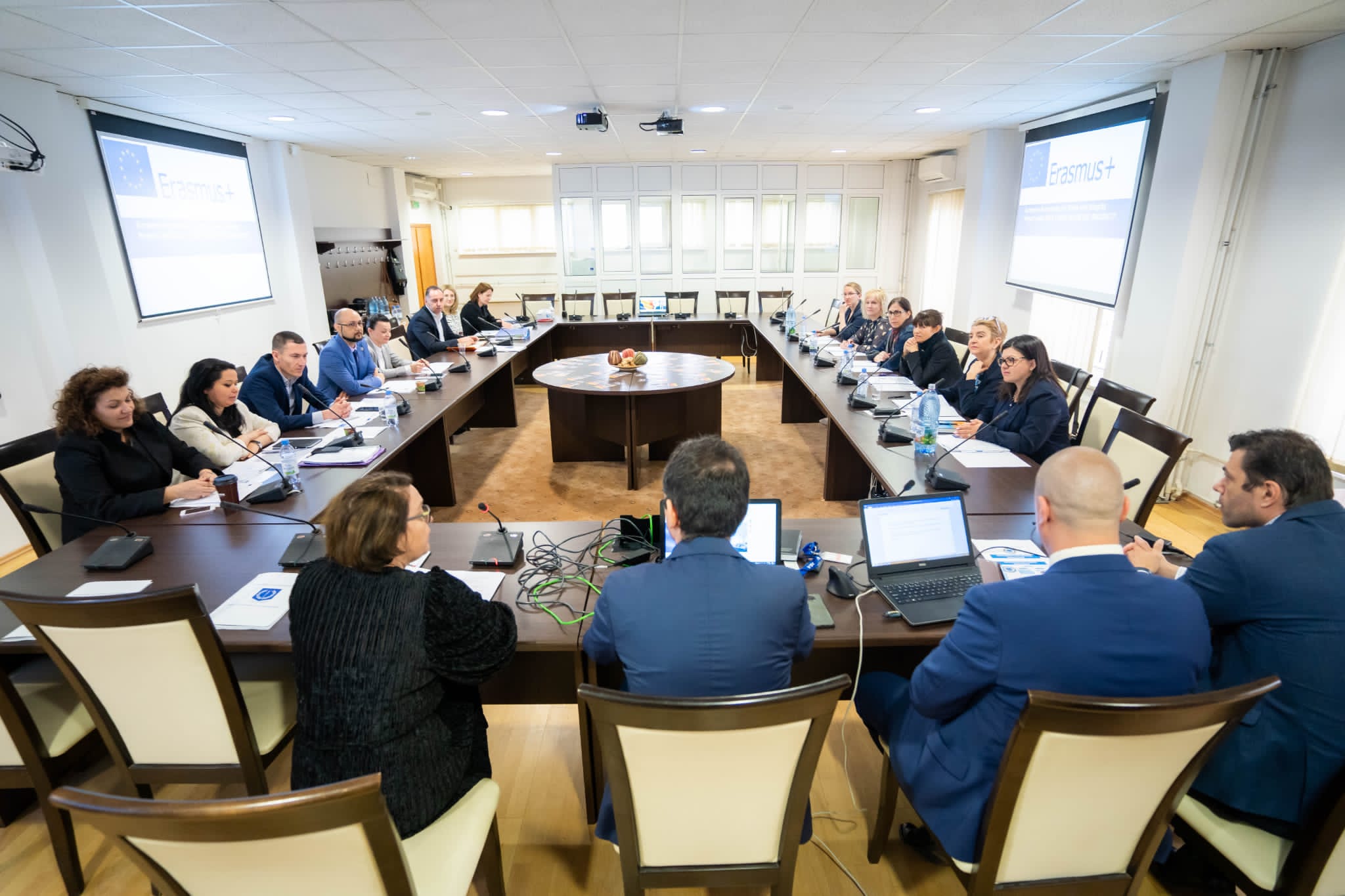
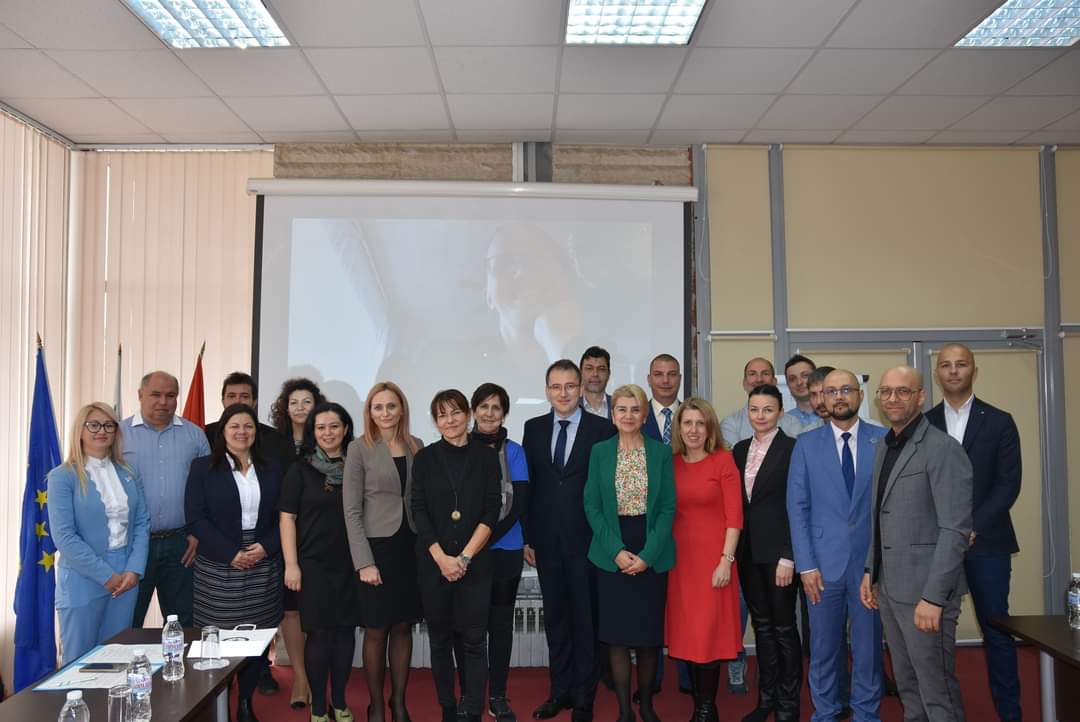
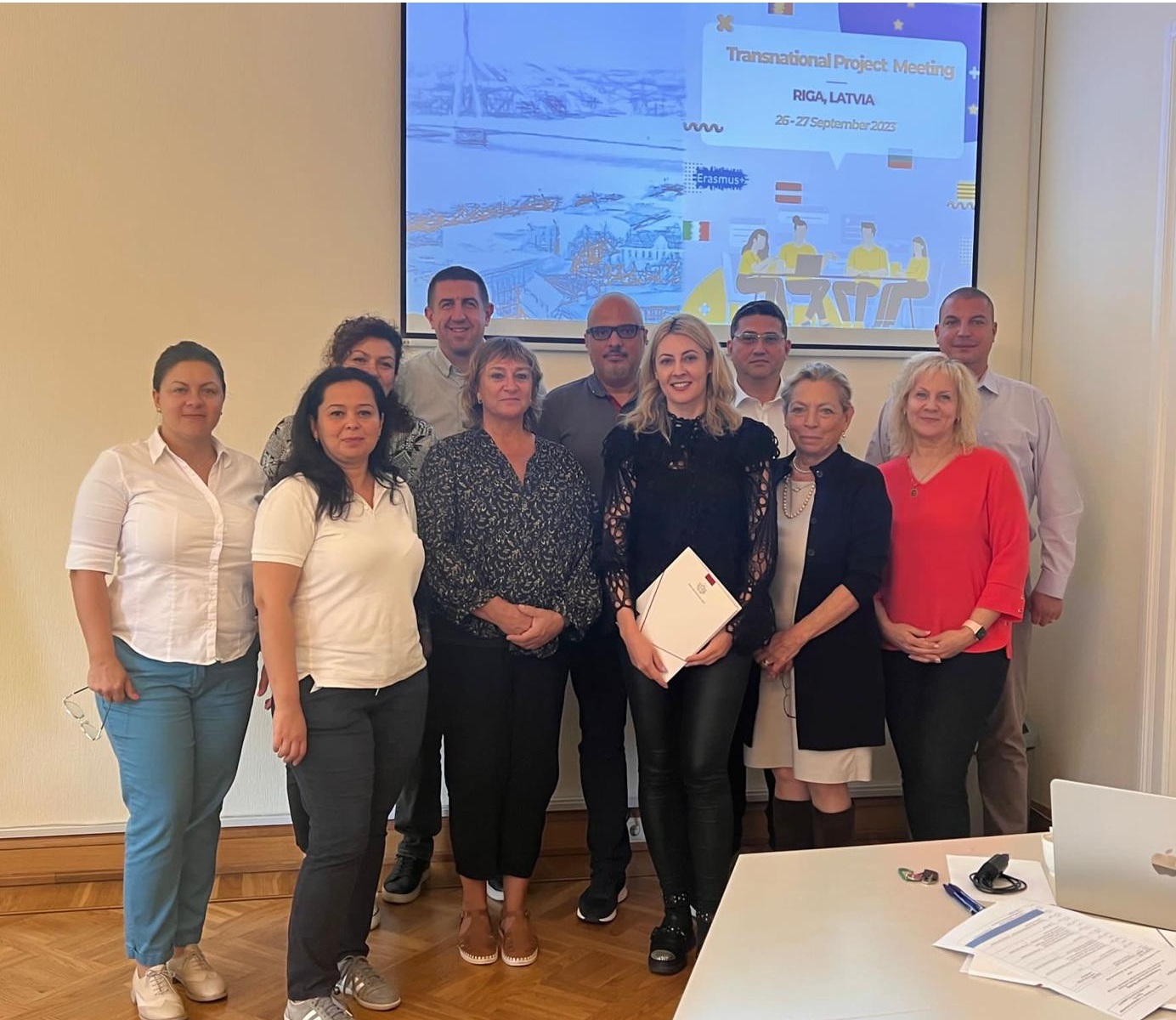
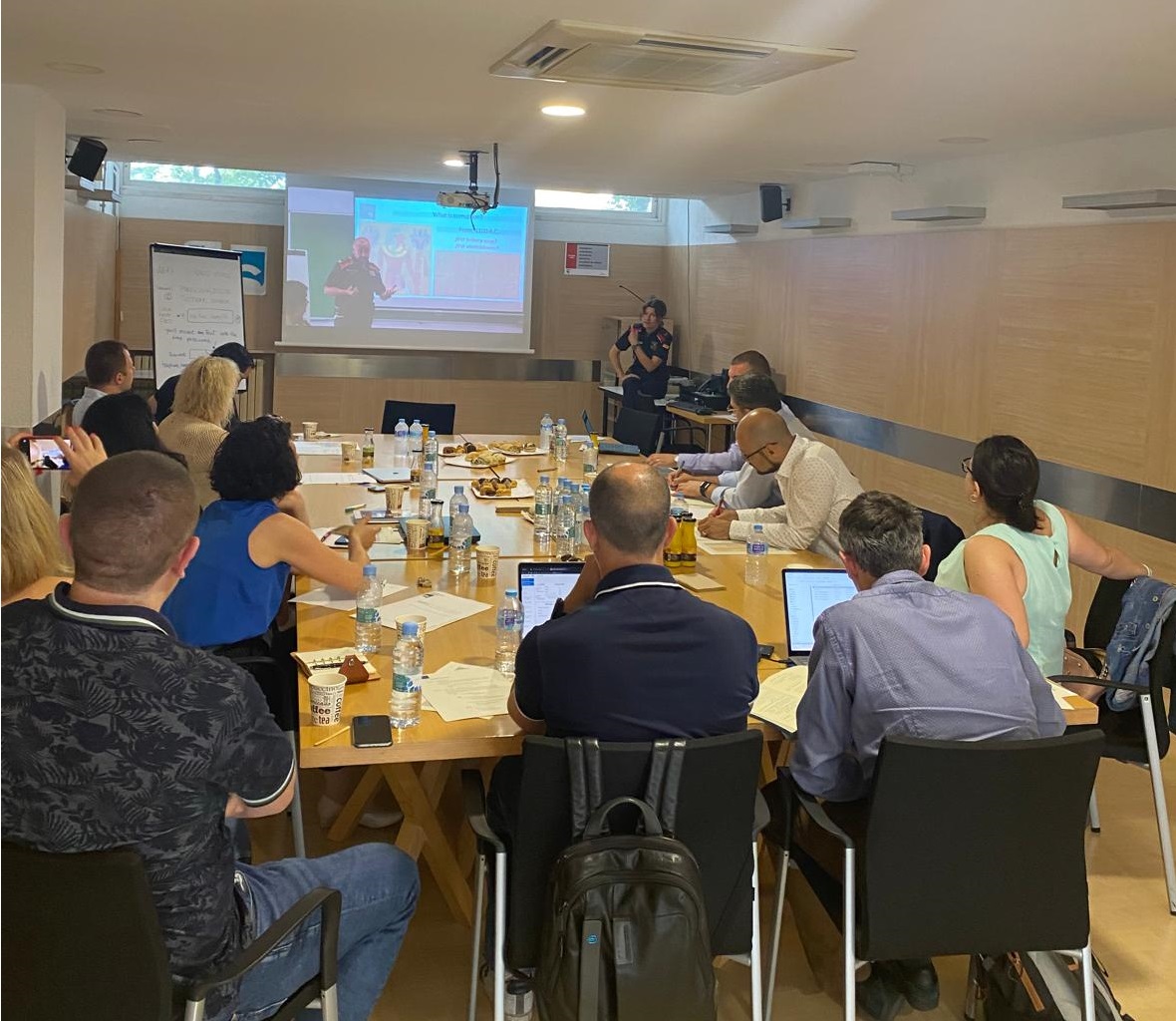
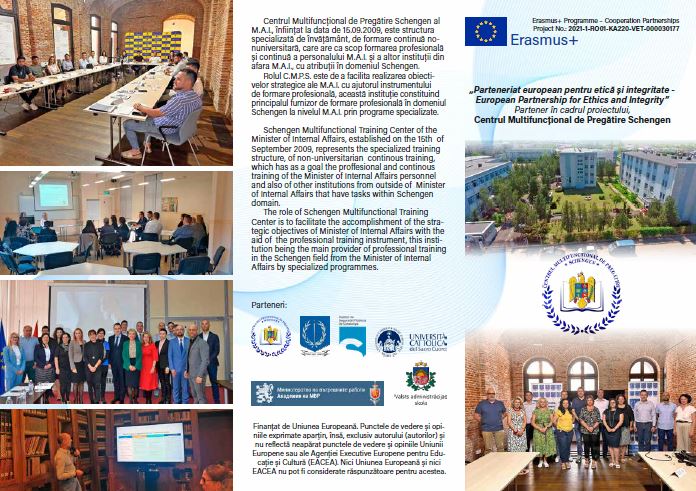
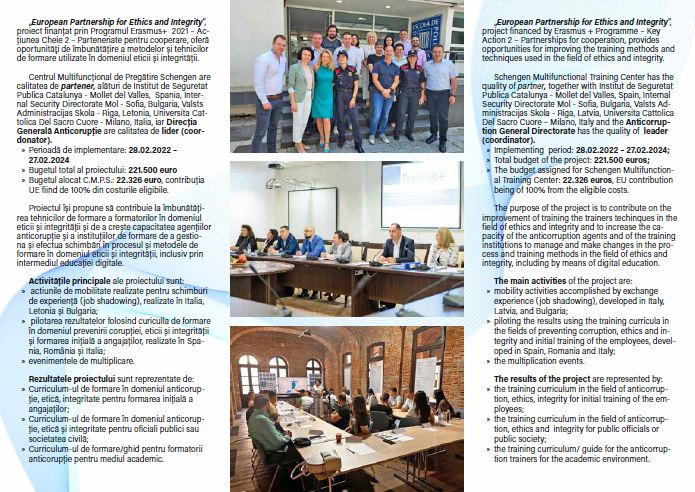
The Schengen Multifunctional Training Center (S.M.T.C.) successfully completed the implementation of the project “European Partnership for Ethics and Integrity”, funded through the Erasmus+ 2021 Programme – Key Action 2 – Cooperation Partnerships, project code 2021-1-RO01-KA220-VET-000030177. This project provided valuable opportunities for improving training methods and techniques in the fields of ethics and integrity.
International Partnerships
The project was a cooperation partnership involving multiple beneficiaries, with our institution participating as a partner alongside renowned organizations from across Europe, including:
• Institut de Seguretat Pública de Catalunya – Mollet del Vallès, Spain
• Internal Security Directorate Mol – Sofia, Bulgaria
• Valsts Administrācijas Skola – Riga, Latvia
• Università Cattolica del Sacro Cuore – Milan, Italy
The General Anticorruption Directorate (D.G.A.) acted as the main project coordinator.
Financial and Implementation Details
The project was carried out over a period of 30 months, starting from February 28, 2022, with a total budget of €221,500 (excluding VAT). Of this amount, €22,326 (excluding VAT) was allocated to C.M.P.S., and all eligible costs were covered 100% by the European Union.
Key Project Outcomes
The project had a significant impact on professional training, generating:
• Anti-corruption, Ethics, and Integrity Curriculum for the initial training of employees
• Anti-corruption, Ethics, and Integrity Curriculum for public servants and civil society
• Curriculum/Guide for Academic Trainers in the field of anti-corruption
S.M.T.C. Involvement
S.M.T.C. officers actively participated in all planned project activities, carefully documenting and maintaining a direct correlation with the project objectives. They acquired and utilized the materials provided by the organizers and successfully completed the assigned mandates.
This project highlights our ongoing commitment to promoting ethics, integrity, and anti-corruption within public institutions, offering a model of best practices for professionals in the field.
- Investigation of Cybercrime and Digital Evidence Analysis
-
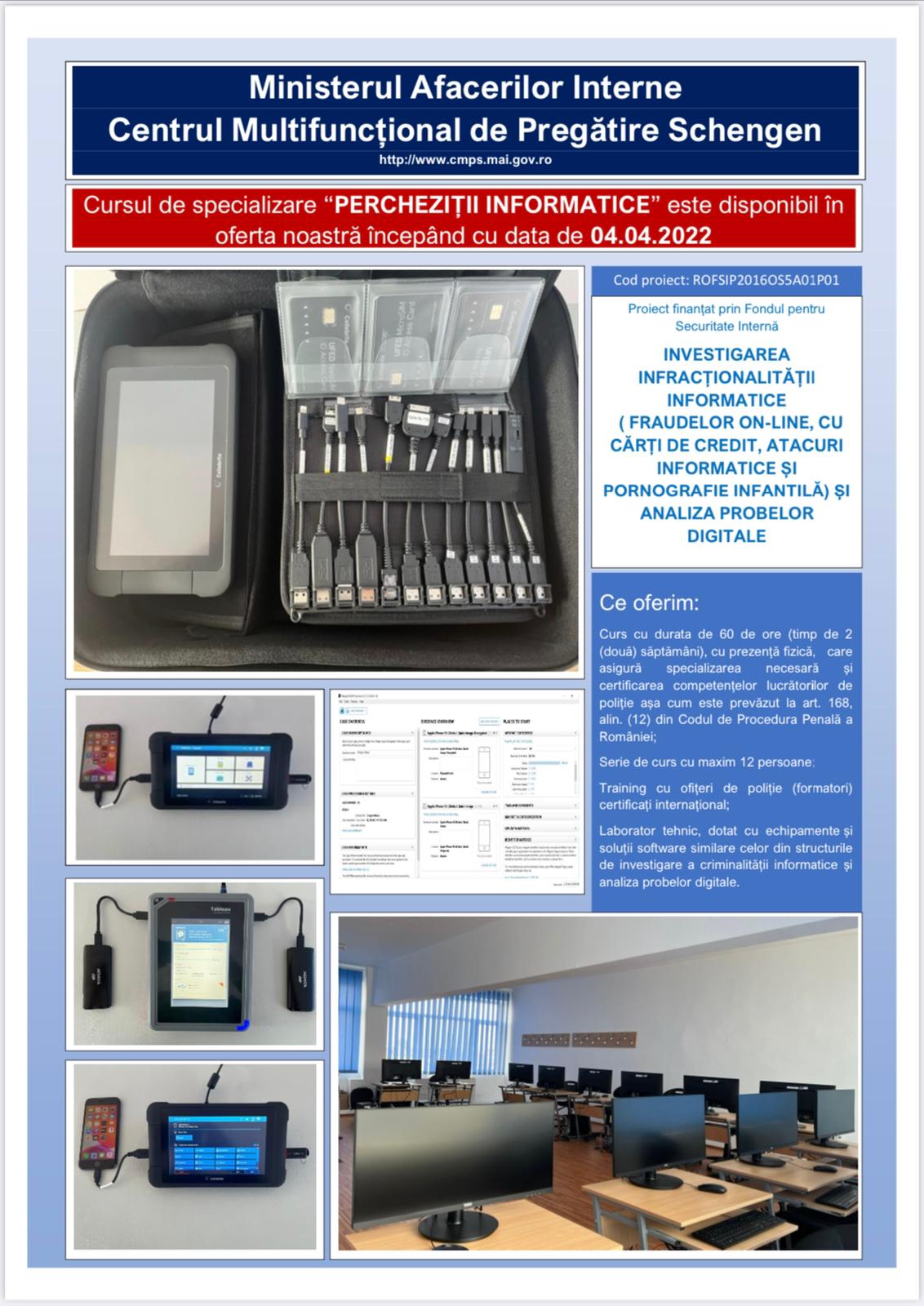
In 2022, the implementation of the project “Investigation of Cybercrime and Digital Evidence Analysis,” code: ROFSIP2016OS5A01P01, carried out in partnership with the General Inspectorate of the Romanian Police (I.G.P.R.), was completed.
As a result, a technical laboratory was developed within the Center, equipped with specialized hardware and software solutions for digital evidence collection, which will host training sessions for the specialization course in conducting digital forensics.
The Schengen Multifunctional Training Center (S.M.T.C.) will ensure the sustainability of the project, so that the developed laboratory will continue to host training sessions for the specialization course in computer searches, and the course will remain part of the Center’s educational offer.
The project results will be maintained after its completion across all components, being fully integrated into the institution's infrastructure and benefiting from maintenance and update measures similar to those applied to existing equipment.
- Organizational Ethics and Integrity in the Ministry of Internal Affairs (M.A.I.)
-
Since 2017, the Schengen Multifunctional Training Center has participated, as a partner alongside the General Anticorruption Directorate (DGA), in the project “Organizational Ethics and Integrity in the Ministry of Internal Affairs (M.A.I.)”.
The aim of the project was to enable newly hired ministry personnel to acquire the knowledge and skills necessary to develop ethical and integrity-based behavior in the enforcement of the law.
In this context, several training sessions were conducted at the Center. In addition to providing logistical support, the Center also contributed to the project with a team of trainers who possess extensive teaching experience and specialized knowledge in the field of ethics and professional integrity.
It is worth noting that during the training sessions organized in collaboration with the DGA, instructors from SMTC were joined by experts from the DGA, representatives of various partner institutions, and figures from civil society, all of whom took part in delivering direct instruction.
- The Project for the Establishment of the Schengen Multifunctional Training Center (S.M.T.C.)
-
The need for a joint national effort in staff training, as well as the capabilities of institutions/structures involved in Schengen integration activities to work together in achieving their respective objectives, led to the creation of an integrated professional training system.
In this context, with the aim of providing an educational environment suitable for training personnel with responsibilities in the Schengen area and related activities — to facilitate the implementation and application of the Schengen acquis and the specific procedures in this field — the Schengen Multifunctional Training Center was designed.
The Schengen Multifunctional Training Center of the Ministry of Internal Affairs (M.A.I.) was designed in accordance with:
• Government Decision No. 1540/2008, approving the National Strategy for Accession to the Schengen Area for the period 2008–2011, and
• Government Decision No. 1579/2009, approving the technical and economic indicators for the investment objective “Multifunctional Schengen Training Center”.
The project was financed through the Schengen Facility, RO–FSch 5–CMPS, and aligned with the Integrated Training Concept for the personnel of institutions/structures involved in Romania’s accession to the Schengen Area.
Thus, the Center was established on September 15, 2009, through the Order of the Minister of Administration and Interior No. 1/0576 of August 11, 2009.
It is a specialized, non-university continuous education structure, subordinate to the General Directorate for Human Resources Management, whose purpose is the initial and continuous professional training of the Ministry of Internal Affairs personnel.
Starting March 11, 2011, the Center became operational, marked by the organization of the National Conference “The Schengen Area – Current Trends and Future Outlook”, attended by high-ranking representatives from the Ministry of Internal Affairs as well as other institutions with responsibilities in the Schengen field.
During the conference, Schengen-related topics were presented by trainers from S.M.T.C., the Police Academy “Alexandru Ioan Cuza”, the Schengen Directorate, and C.C.P.I.
The training of personnel from institutions with Schengen-related responsibilities is carried out in accordance with:
• Law No. 141/2010,
• Government Emergency Ordinance No. 103/2006,
• Government Decision No. 966/2010, and
• Ministerial Order MAI No. 212/2010.
As such, training programs were developed with the purpose to include the use of the following applications in a testing environment:
• National SIRENE Forms,
• SINS,
• SISOne4All,
• INTERID,
• e-SIF,
• SIMS,
• EUCARIS —
where trainees were placed in contextual scenarios similar to those encountered in real work situations, which they were expected to solve according to operational procedures.
From the very beginning, the organization and design of training activities were based on working groups involving beneficiaries of the training programs from within the Ministry of Internal Affairs.
Also, since the operationalization of the Center, the Commission for the Evaluation of Education Quality (C.E.A.C.) has been established and has functioned continuously. This entity is responsible for the evaluation, monitoring, and implementation of modern teaching methods.
Feedback and follow-up questionnaires were administered to trainees.
Contact